
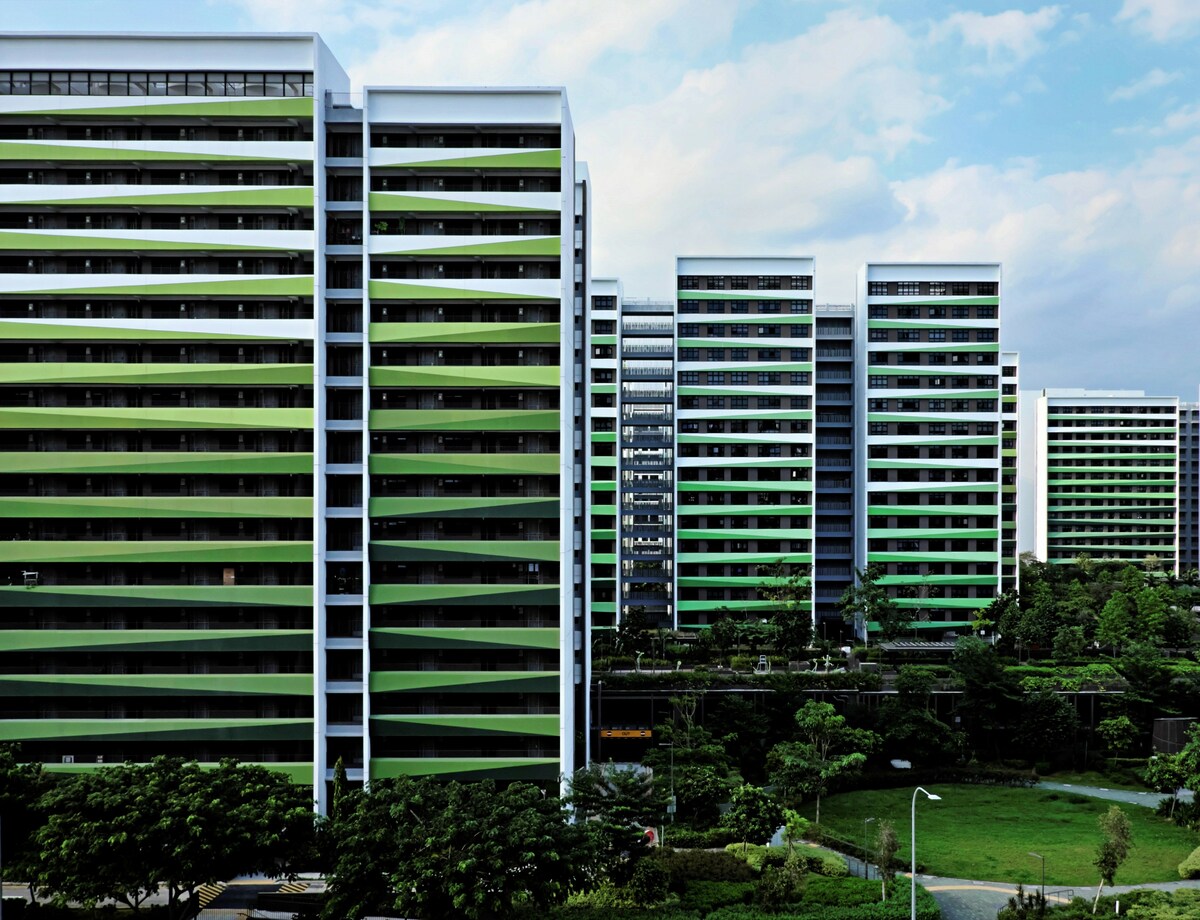
A modern building is like a living entity, with a complex nervous system of devices like light, security and temperature sensors. For years, data from these devices has been sent to the cloud. Now, a decentralized approach aims to bring the data processing power from external systems to the devices themselves. Edge computing offers a solution to make buildings faster and more sustainable.
What Is Edge Computing?
Edge computing is a growing computing concept that processes data closer to where it’s connected. Compared to traditional models that collect information and send it to a centralized cloud server for analysis, edge processing enables local processing at high speed.
Traditional models have inherent limitations for real-time applications, including bandwidth consumption and latency. Edge computing doesn’t require a separate network — it can make decisions locally without waiting for instructions from the cloud.
Why Edge Computing Matters for Buildings
Edge computing provides the following advantages for construction.
Unlocks Real-Time Responses
A smart building with edge processing can enable real-time building sensor analytics, giving facility managers insights into energy use across the facility. A delay of a second or two in data traveling to and from a cloud server can make a system feel slow and unintuitive. For instance, an edge-enabled system can quickly detect individuals entering a conference room and adjust the thermostat accordingly. A cloud-based system might take minutes, wasting energy and causing discomfort.
Enhances Occupant Safety and Security
CCTV surveillance and alarms are essential for providing a sense of security and trust among building occupants. Edge processing allows these systems to operate autonomously. A security camera using edge AI can identify a threat and signal doors to lock without sending information to the cloud for analysis. Swift action helps deter intruders.
Boosting Data Privacy
Processing sensitive information locally protects the privacy of occupants and the security of the structure. This is a significant benefit for building owners, as it helps reduce the risk of data breaches. This type of proactive, advanced measure can help companies comply with privacy regulations and avoid substantial penalties.
Builds a Sustainable Digital Infrastructure
Data centers in the U.S. consumed 183 terawatt-hours (TWh) of electricity in 2024. This consumption is projected to grow by 133% to 426 TWh in 2030. On-device analytics can help professionals build a “sustainable nervous system” for the building itself. The continued integration of automation systems can help reduce emissions by 90% by 2050, contributing to a more eco-friendly future.
Building a Low-Energy IoT Network

Creating a low-energy IoT network for a facility requires proper planning. First, IT professionals must choose sensors and devices with sufficient onboard processing power to ensure they’re designed for edge analytics. Selecting processors engineered for low-power consumption also contributes to sustainability.
Smart structures that rely on edge computing for building automation include:
- Real-time occupancy-based lighting: Smart lighting fixtures with built-in sensors and processors use edge computing to analyze light levels and motions.
- Predictive HVAC and climate control: This analyzes and adjusts ambient temperature in real time, reducing energy wasted on reactive adjustments.
- Intelligent security devices: Advanced cameras can distinguish between people, vehicles and animals and identify authorized staff via facial recognition.
- Automated water leak detection systems: Acoustic sensors and flow meters with edge-processing capabilities can help detect leaks early, preventing significant water damage or waste.
The rise of sensors in building automation now includes everyday devices like smart thermostats and CCTV cameras, all serving as data endpoints. Establishing strict safety protocols is critical for system reliability. For instance, many automated door and gate systems are now certified to UL 325, verifying proper and safe sensor operation. Facility managers should select devices that meet industry benchmarks to support both safety and innovation.
Next, IT professionals must choose an efficient communication protocol for IoT connectivity, like Message Queuing Telemetry Transport (MQTT) or Constrained Application Protocol (CoAP). MQTT with Quality of Service Level 2 has the highest reliability, which is vital for mission-critical applications. Meanwhile, CoAP offers excellent performance, with minimal resource consumption and low round-trip time.
The Future of Decentralized Building Intelligence

Key future trends include blockchain-enabled security that provides a transparent record of all AI actions, helping boost trust in building management systems. Future buildings may also have smart agents that can — for example — manage lighting, negotiate energy prices or schedule maintenance without human interference.
Overall, future buildings will become positive contributors to the environment. There will be a shift toward a regenerative approach that generates net-positive impacts on communities and ecosystems. An edge computing system provides the essential real-time processing to manage on-site energy generation, water recycling and climate control, ensuring the building adjusts to produce more resources than it consumes.
The Shift to Smarter, More Efficient Buildings
Edge computing is the key to a more secure, safe and sustainable future for facilities. This technology can help professionals design an infrastructure that’s intelligent and efficient for years to come. With the widespread adoption of this modern approach, they lay the foundation for a brighter, more sustainable future for the built environment.